Wooden Door vs Aluminium and Steel Door Models in Hospitality: When Each Makes Sense
Wood, aluminium and steel each have a place in a hotel. This guide shows which material suits guest rooms, back-of-house areas and exteriors, and what to check before you specify.
When comparing wooden doors vs steel doors in a hotel, the honest answer is that neither material wins everywhere. Wood is the natural choice for guest rooms and visible interiors, steel suits service and security openings, and aluminium works best where glazing, moisture or exterior exposure dominate. The skill lies in assigning each material to the right zone.
This guide compares the three across the whole building, including back-of-house areas and exteriors, so you can build a door schedule that balances appearance, durability and budget. Pricing and lead times always depend on the project, so we focus on the factors that drive those numbers rather than quoting figures.
Start with the zone, not the material
Hotels contain very different door environments. A guest room door sees moderate traffic and is judged on looks and sound control. A kitchen door sees trolleys, steam and cleaning chemicals every day. A plant room door is judged on strength and fire performance, not appearance.
Sorting your openings into zones first prevents the common mistake of specifying one material everywhere. A typical zoning looks like this:
- Guest-facing interiors: rooms, suites, corridors, wardrobes, meeting rooms.
- Public areas: lobby, restaurants, spa and fitness areas.
- Back-of-house: kitchens, laundry, storage, staff corridors, plant rooms.
- Exterior and semi-exterior: terraces, balconies, service entrances, roof access.
Wooden doors: warmth, flexibility and acoustic comfort
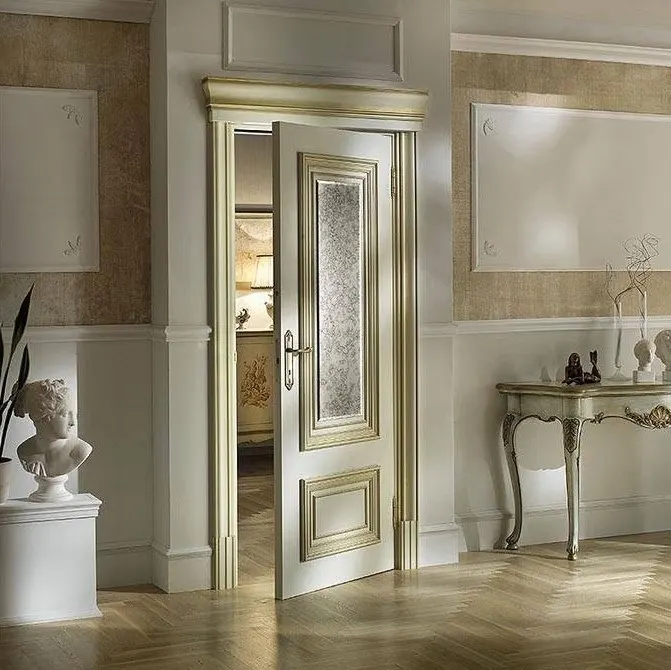
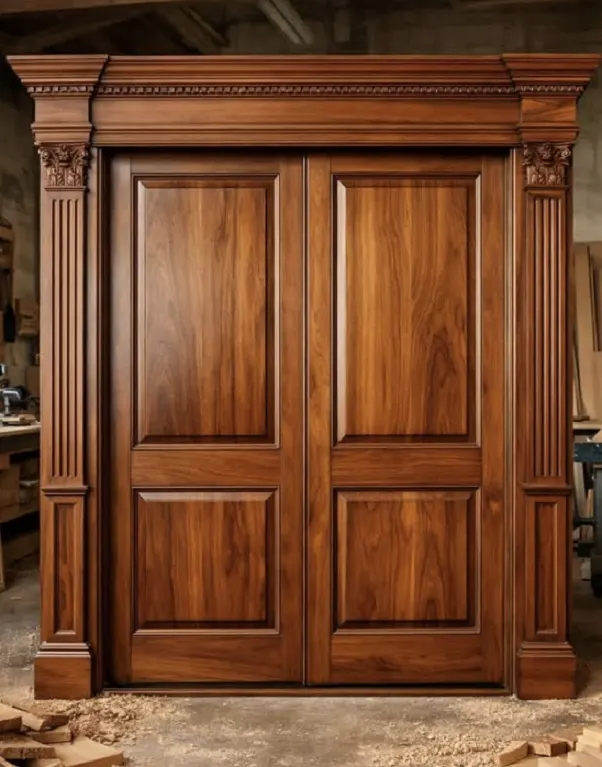
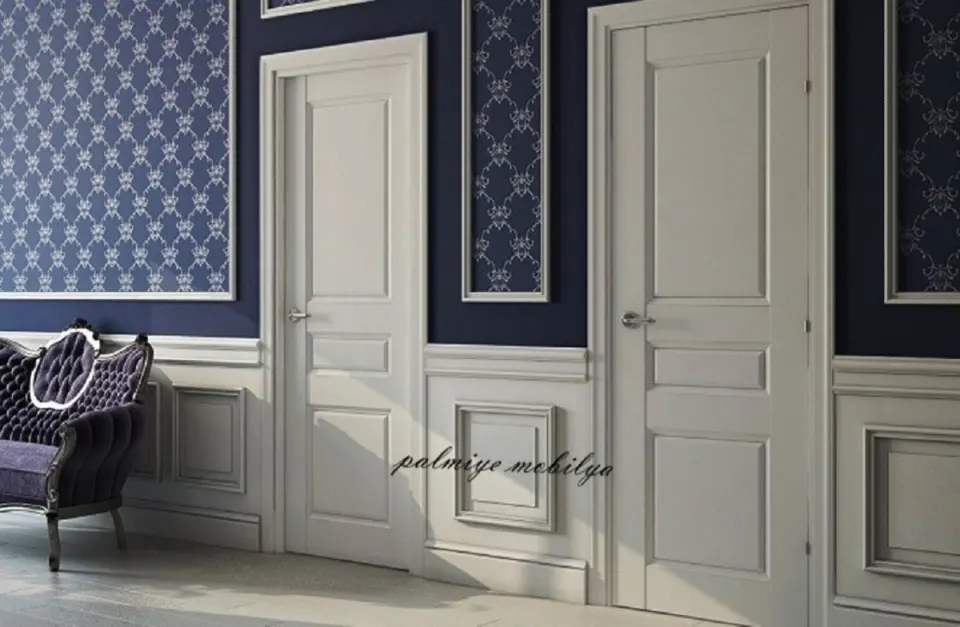
Wooden doors, whether veneered, lacquered or laminated over a suitable core, remain the standard for guest rooms. They can be made in almost any model, from flush to grooved to panelled, and finishes can be matched to the joinery and wall panelling around them. A factory can also adapt wooden leaves to hardware, electronic locks, seals and drop bottoms with relatively little tooling.
Where wood works well
- Guest room entrance and bathroom doors, where a residential feel matters.
- Suites, villas and connecting doors that must match the interior design.
- Wardrobe and cabinet doors that sit in the same finish family as the furniture.
- Restaurants and meeting rooms where appearance and acoustics both count.
Where wood needs care
- Wet areas: bathrooms, spas and laundries need moisture-resistant cores and sealed edges.
- Exteriors: direct sun and rain are hard on wood unless the door is protected by a canopy and finished for outdoor use.
- Heavy impact: kitchen and service routes may need kick plates or a tougher material.
Fire performance is possible in wood, but it depends on the core, frame, seals and tested assembly. Always ask for the relevant test documentation rather than assuming a rating from appearance.
Steel doors: strength, security and fire resistance
Steel doors are built from formed metal sheet, usually with an insulating or fire-resistant fill. They are strong, dimensionally stable and resistant to impact, which explains why they dominate plant rooms, stairwells, electrical risers and many service corridors.
Where steel works well
- Plant rooms, riser cupboards and storage areas with security or fire demands.
- Fire escape stairs and exit routes where local codes call for metal assemblies.
- Kitchens and loading areas that face heavy trolley traffic.
- Service entrances that need robust locking.
Where steel falls short
- Look and feel: painted steel rarely matches the warmth of wood in guest-facing spaces.
- Corrosion: in humid, coastal or wet environments, coating quality and galvanising matter, and damaged paint can lead to rust.
- Sound: a thin steel leaf can sound hollow unless the fill and seals are designed for acoustics.
- Customisation: unusual shapes, grooves and veneers are harder to achieve than in wood.
Aluminium doors: glazing, moisture and slim profiles
Aluminium is light, does not rust and can be extruded into slim, precise profiles. It is the default for glazed entrances, terrace doors, balcony doors and shopfront-style systems. Thermal-break profiles help where heating or cooling efficiency is a concern.
Where aluminium works well
- Terrace, balcony and pool-area doors exposed to weather.
- Large glazed doors in lobbies, restaurants and winter gardens.
- Wet or steamy zones where swelling would be a risk for wood.
- Facades where slim sightlines are part of the architecture.
Where aluminium falls short
- Solid, quiet guest room doors, where a metal-framed look is rarely wanted.
- Heavy-duty impact areas, as softer metal can dent.
- Projects needing a warm timber appearance, unless wood-effect coatings are accepted.
Side-by-side comparison
| Criteria | Wood | Steel | Aluminium |
|---|---|---|---|
| Typical hotel use | Rooms, suites, public interiors | Service, plant, escape routes | Glazed, terrace, exterior |
| Appearance | Warm, highly customisable | Utilitarian, paint finish | Modern, slim profiles |
| Impact resistance | Moderate, depends on core and edges | High | Moderate |
| Moisture tolerance | Needs specified cores and sealing | Good if well coated | Very good |
| Acoustic comfort | Good with right core and seals | Depends on fill and seals | Mainly via glazing and seals |
| Fire performance | Possible with tested assemblies | Common and well established | Possible with specific fire systems |
| Design flexibility | Very high | Limited | High for glazed systems |
| Repair on site | Touch-up and refinishing | Repaint, dents harder to fix | Recoat or replace sections |
Treat this table as a starting point. Actual performance depends on construction, finish and certification for each product.
Mixing materials without breaking the design
Using several materials is normal, but the visual transition needs thought. A few approaches help:
- Match colour families: powder-coat steel service doors in a tone that sits quietly against corridor walls.
- Keep hardware consistent: the same handle style across materials ties the scheme together where doors are visible together.
- Hide the transition: place steel doors behind guest-facing zones, so guests rarely see them.
- Use wood-look finishes carefully: they can unify appearance, but confirm durability and samples first.
Cost and lifecycle thinking
Purchase price is only part of the picture. Steel is often chosen for service areas because it tolerates abuse and needs little upkeep. Wood costs more to specify well, but it is easier to refinish and repair in an operating hotel. Aluminium tends to need little maintenance in exposed locations, though glazing and hardware add to the total.
When you compare quotes, look at what is included: frames, hardware preparation, finishing, packing and fire documentation. A low door price with exclusions can end up costing more than a complete offer.
Planning checklist for your door schedule
- List every opening by zone and note whether it is interior, semi-exterior or exterior.
- Mark openings with fire, security or acoustic requirements.
- Check local codes and the hotel brand standards for each opening type.
- Choose the material by zone, then the model and finish.
- Confirm hardware, locks and closers before final drawings.
- Request samples or a mock-up of the visible doors before the full order.
What we supply and how to coordinate
Palmiye manufactures custom wooden doors and interior joinery in our own factory in Istanbul, made to your project drawings. For steel and aluminium openings, which are usually supplied by specialist metalwork or glazing suppliers, we recommend coordinating dimensions, frame details and hardware early so that all doors in a corridor or lobby line up and look consistent.
Conclusion
Wood suits the spaces guests experience closely, steel suits demanding service and security areas, and aluminium suits glazed and weather-exposed openings. A well-planned hotel uses all three where they make sense, and treats the door schedule as a zone-by-zone decision rather than a single material choice.
If you are building a door schedule, send us your drawings or opening list. We will review the wooden door requirements and come back with model suggestions, finishing options and shipping guidance for your project.
Sıkça Sorulan Sorular
Are wooden doors suitable for hotel guest rooms compared with steel?
Yes. Wooden doors are the usual choice for guest rooms because they offer a warm look, wide design choice and good acoustic comfort when the core and seals are specified properly. Steel is better kept for service, plant and escape routes.
When should a hotel choose steel doors instead of wood?
Steel makes sense for plant rooms, risers, storage, stairwells and heavy-traffic service routes, where strength, security and fire performance matter more than appearance. Always follow local fire codes and check the tested assembly, not only the leaf.
Is an aluminium door a good option for hotel bathrooms?
Aluminium tolerates moisture well, so it works in wet or steamy areas, especially with glazing. For guest bathrooms, though, many designers still prefer wooden doors with moisture-resistant cores and sealed edges for a softer look and better sound privacy.
Can I use wooden doors on hotel terraces and exteriors?
It is possible if the door is sheltered, finished for outdoor use and maintained regularly. For fully exposed openings in strong sun or rain, aluminium or a suitably protected system is usually the safer choice.
Do wooden, steel and aluminium doors all come with fire ratings?
Each material can be part of a fire-rated assembly, but ratings depend on the tested combination of leaf, frame, seals and hardware. Ask the supplier for the test report that matches the exact door you plan to install.
Every hotel project is different. Send us your drawings or room schedule for a tailored proposal on materials, lead time and shipping.