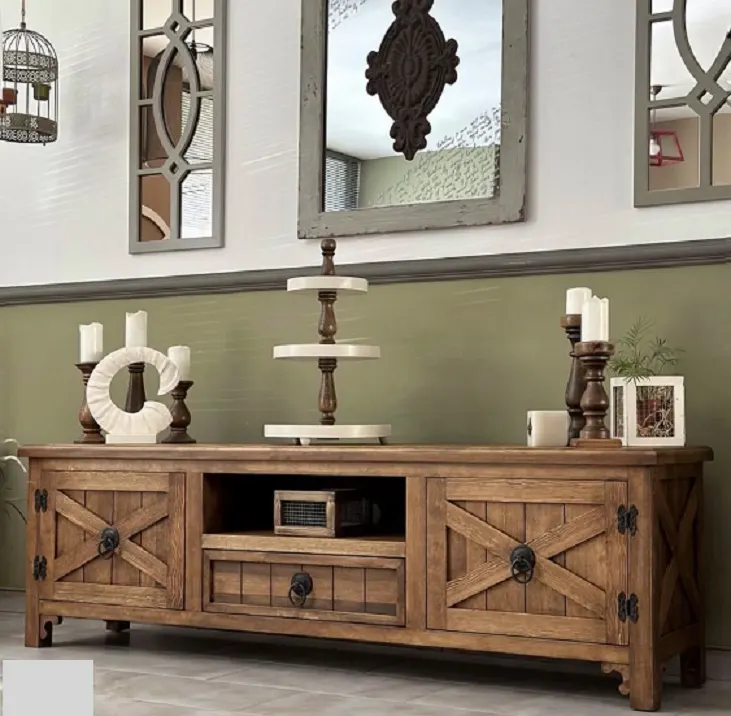
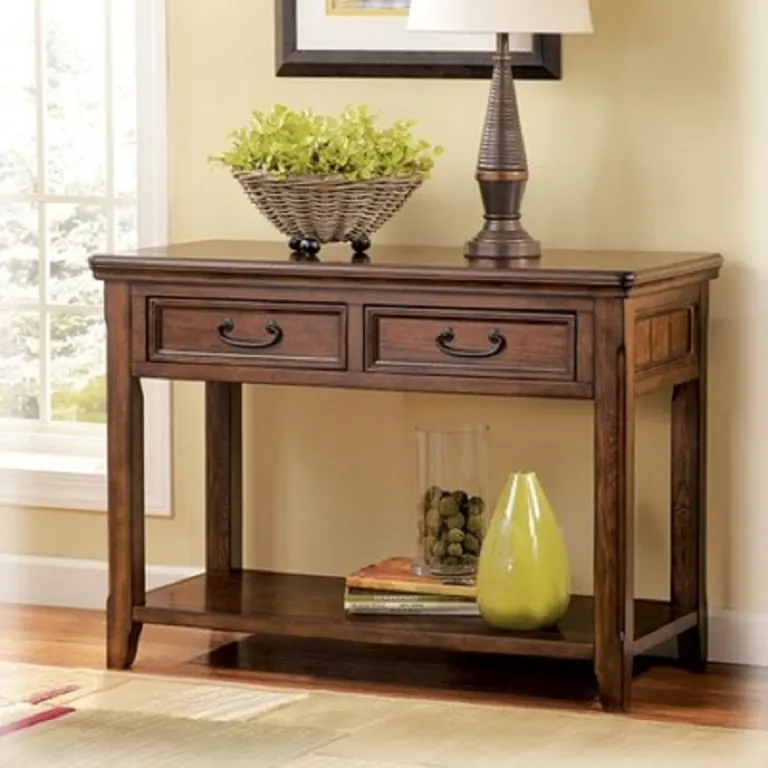
Sourcing Turkish Heritage: The Definitive B2B Guide to Importing Distressed Solid Wood TV Units from Turkey
Global furniture procurement has reached a structural inflection point. Rising trans-Pacific container volatility, punitive tariff regimes on East Asian manufactured goods, and heightened consumer scrutiny over synthetic materials have forced international retail buyers, hospitality groups, and wholesale distributors to rethink their supply chains. Stepping decisively into this vacuum is a manufacturing ecosystem of remarkable agility and depth, explored comprehensively in Sourcing Turkish Heritage: The Definitive B2B Guide to Importing Distressed Solid Wood TV Units from Turkey.
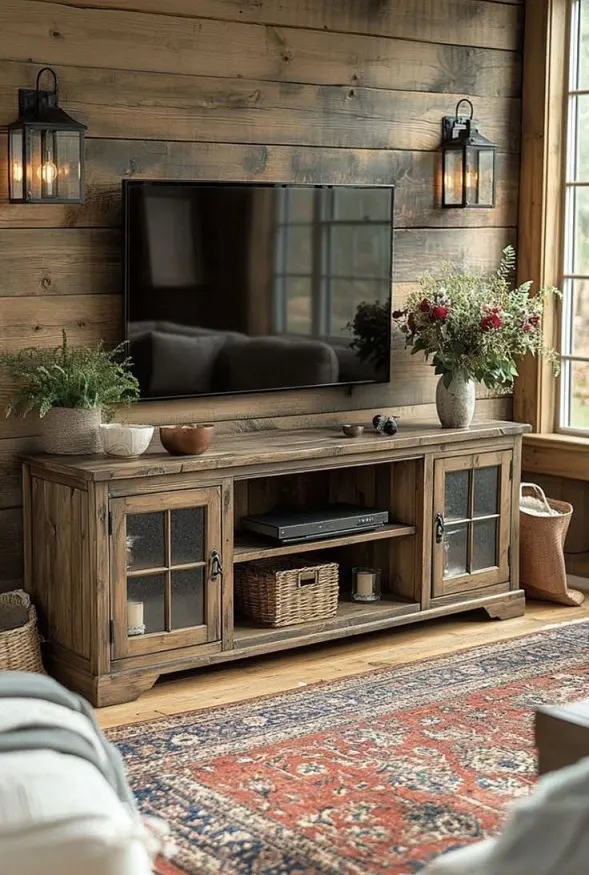
For decades, Turkey has served as the workshop of Eurasia, seamlessly bridging European industrial precision with centuries-old Anatolian woodworking mastery. Today, specialized factories across İnegöl, Kayseri, Ankara, and İzmir are producing heirloom-grade, hand-distressed solid wood media consoles that rival bespoke Italian and North American ateliers at a fraction of the landed cost. However, transitioning from traditional Asian or Eastern European vendors to Turkish manufacturers requires an intimate understanding of local industrial clusters, wood metallurgy, moisture equilibrium engineering, customs frameworks, and rigorous quality assurance protocols. By mastering the methodologies laid out in Sourcing Turkish Heritage: The Definitive B2B Guide to Importing Distressed Solid Wood TV Units from Turkey, procurement directors and importers can secure high-margin, defect-free inventory while achieving rapid inventory turnover.
1. Strategic Advantages of the Turkish Solid Wood Furniture Ecosystem
Before issuing a single Request for Quotation (RFQ), an international buyer must understand why Turkey’s industrial structure is uniquely suited for distressed solid wood casegoods. Unlike hyper-automated mega-factories in Southeast Asia that rely on rigid, high-volume assembly lines—where Minimum Order Quantities (MOQs) frequently exceed 300 units per SKU—Turkish furniture manufacturing operates on a flexible, modular cellular model.
The Nearshoring and Speed-to-Market Advantage
Geographically situated at the nexus of Europe, the Middle East, and the Mediterranean basin, Turkey offers unmatched transit velocity:
• Western and Central Europe: Full Truckload (FTL) road freight or intermodal Ro-Ro (Roll-on/Roll-off) shipments from Istanbul or Bursa reach distribution centers in Germany, France, the Netherlands, and the United Kingdom within 5 to 9 days.
• North America: Direct container vessels departing from Gemlik, Ambarlı (Istanbul), and Aliağa (İzmir) reach US East Coast ports (New York/New Jersey, Savannah, Norfolk) in 16 to 22 days—roughly half the transit time of shipments originating from Ho Chi Minh City or Ningbo.
• Middle East & GCC: Direct overland and short-sea corridors enable rapid replenishment for luxury residential and hospitality developments across the UAE, Saudi Arabia, and Qatar.
Tariff Exemptions and Trade Agreements
A central pillar of Sourcing Turkish Heritage: The Definitive B2B Guide to Importing Distressed Solid Wood TV Units from Turkey is the substantial landed-cost savings unlocked through bilateral trade agreements:
• European Union Customs Union: Under the EU-Turkey Customs Union, finished wooden living room furniture (HS Code 9403.60) accompanied by a validated A.TR Movement Certificate enters all 27 EU member states with 0% customs duty.
• United Kingdom Free Trade Agreement: Exports to the UK qualify for 0% preferential tariff rates via a EUR.1 certificate or origin declaration.
• United States Most Favored Nation (MFN) Status: While Chinese wooden furniture faces punitive Section 301 tariffs (25%) alongside strict anti-dumping investigations, Turkish solid wood TV units enter the United States under standard MFN terms, where HS Code 9403.60.8081 carries a 0% duty rate.
Artisanal Agilty Meets European CNC Automation
Over the past fifteen years, Turkish manufacturers have reinvested billions of dollars into state-of-the-art European woodworking machinery—specifically German Homag and Weinig milling lines, Italian SCM 5-axis CNC routers, and Cefla automated finishing systems. Crucially, these factories pair high-precision digital joinery with low-cost, highly skilled hand-finishing teams. Distressing solid wood cannot be fully automated without looking artificial; it requires human intuition to apply drawknives, wire brushes, iron hammers, and wiping glazes organically. Turkey possesses an abundant, multi-generational workforce of master woodworkers (ustalar) capable of executing complex, multi-step hand-distressing at industrial scale.
2. Mapping Turkey’s Regional Furniture Clusters for B2B Buyers
Not all Turkish furniture regions possess the same technical capabilities. A critical step in Sourcing Turkish Heritage: The Definitive B2B Guide to Importing Distressed Solid Wood TV Units from Turkey is matching your specific product tier, target price point, and volume requirements to the right manufacturing cluster.
İnegöl (Bursa): The Export Powerhouse
Located roughly 150 kilometers south of Istanbul via the Osmangazi Bridge, İnegöl is the undisputed capital of Turkish furniture exports.
• Core Strengths: High export fluency, modern industrial zones (İnegöl OSB), vertically integrated facilities that handle everything from rough-sawn log milling to corrugated export box printing, and deep familiarity with European and North American compliance standards.
• Ideal For: Mid-to-high-end retail chains, e-commerce furniture brands, and wholesale importers seeking 1 to 20+ containers per order with consistent repeatability.
Ankara (Siteler): The Bespoke Artisanal District
Siteler is a sprawling, historic woodworking ecosystem comprising thousands of specialized workshops, hardware suppliers, carving studios, and finishing houses.
• Core Strengths: Unrivaled hand-craftsmanship, exotic and reclaimed timber sourcing, custom architectural millwork, and ultra-low MOQs (even single-piece custom prototypes for luxury interior designers).
• Ideal For: Hospitality procurement (5-star hotels, boutique resorts), high-end interior design firms, and luxury brick-and-mortar galleries requiring one-of-a-kind distressed solid walnut or chestnut media consoles.
Kayseri: High-Volume Industrial Scale
Situated in Central Anatolia, Kayseri is home to Turkey’s largest industrial furniture conglomerates.
• Core Strengths: Massive floor space, hyper-efficient supply chains, aggressive pricing, and expertise in mixed-material designs (combining distressed solid wood tops and doors with powder-coated steel frames and engineered wood carcasses).
• Ideal For: Big-box retailers, mass-market catalog brands, and price-sensitive volume importers looking for rustic-industrial TV units.
İzmir & The Aegean Coast: Mediterranean & Coastal Specialists
Leveraging direct access to major deep-water container ports, İzmir manufacturers cater heavily to Western European and American coastal aesthetics.
• Core Strengths: Expertise in bleached, whitewashed, cerused, and weathered driftwood finishes on solid oak, pine, and ash, combined with streamlined port logistics that eliminate inland trucking costs to Istanbul.
3. Decoding Timber Species and Raw Material Specifications
When negotiating with Turkish suppliers, ambiguity in raw material specifications is the single greatest source of post-delivery disputes. In Sourcing Turkish Heritage: The Definitive B2B Guide to Importing Distressed Solid Wood TV Units from Turkey, buyers must explicitly define timber species, grading, stave construction, and substrate rules in their purchase contracts.
Primary Hardwoods and Softwoods Used in Turkish Production
1. Anatolian Chestnut (Castanea sativa): Harvested sustainably from Turkey’s Black Sea mountains, chestnut is an extraordinary timber for distressed TV units. Its coarse, open grain mirrors American oak, while its exceptionally high natural tannin content allows craftsmen to achieve deep, weathered gray and espresso patinas using natural iron-acetate reactions rather than heavy synthetic pigments.
2. American White Oak (Quercus alba): Imported directly from Appalachian sawmills by leading Turkish exporters, American White Oak is the gold standard for North American and Northern European buyers. Its closed cellular structure (tyloses) makes it naturally water-resistant, while its prominent medullary rays respond magnificently to wire brushing and cerusing (liming).
3. European Oak (Quercus robur): Sourced from Croatia, Romania, Ukraine, and domestic Thracian forests, European oak exhibits tighter growth rings and a higher frequency of sound knots and mineral streaks compared to American oak—making it ideal for authentic "rustic" or "reclaimed-look" media consoles.
4. Turkish Steamed Beech (Fagus orientalis): Dense, heavy, and abundant in northern Turkey, steamed beech is an economical hardwood. Because its grain is naturally subtle, Turkish finishers use heavy mechanical distressing (saw kerfs, denting, rasping) combined with multi-layered glazing to give beech the visual depth of aged walnut or cherry.
5. Scandinavian Pine & Siberian Larch: Used for farmhouse, cottage, and entry-level distressed TV units. Softwoods dent easily, allowing rapid artisanal aging, though buyers must specify hard 2K polyurethane topcoats to protect the softer wood surface from everyday scratches in consumers' homes.
Timber Grading: Why "Rustic Grade" Outperforms "FAS"
In conventional fine furniture, buyers pay a premium for FAS (First and Seconds) lumber, which is clear and free of knots. For distressed solid wood TV units, FAS lumber often looks sterile and synthetic. Instead, experienced buyers specify #1 Common, #2 Common, or Rustic Grade timber. These grades legally permit tight, sound knots, natural color variations between heartwood and sapwood, small pith flecks, and minor surface checks—authentic organic characteristics that elevate the perceived value of distressed furniture.
Solid Wood vs. Solid Wood Hybrid Construction
Buyers must clearly distinguish between two structural tiers when finalizing Bill of Materials (BOM) specs:
• 100% All-Solid Wood Construction: Every component—top panel, side gables, shelves, drawer fronts, drawer boxes, and back panel—is crafted from solid timber staves. While commanding the highest wholesale price and prestige, 100% solid wood panels require sophisticated joinery (such as floating tongue-and-groove back panels) to accommodate seasonal expansion without splitting.
• Solid Wood Hybrid (Export Standard): Tops, legs, frames, doors, and drawer fronts are 100% solid distressed wood, while hidden structural panels (such as rear backboards and drawer bottoms) are constructed from solid-oak-veneered marine-grade birch plywood (never raw particleboard or low-density MDF). This hybrid engineering prevents seasonal warping, reduces shipping weight by 15–20%, and ensures rock-solid structural stability across extreme climate zones.
4. Wood Engineering & Moisture Equilibrium: Preventing Cracking in Transit
Solid wood is an anisotropic, hygroscopic material—it constantly exchanges moisture with the surrounding air, expanding across its grain when humidity rises and shrinking when air dries out. A cornerstone of Sourcing Turkish Heritage: The Definitive B2B Guide to Importing Distressed Solid Wood TV Units from Turkey is verifying that your Turkish factory masters kiln-drying thermodynamics and movement-compensating joinery.
The Kiln-Drying Mandate (7% to 9% MC)
Turkey’s major manufacturing hubs experience moderate relative humidity (55% to 75% RH). If a TV unit built from wood at 12% Moisture Content (MC) is shipped inside a sealed steel ocean container—where daytime temperatures can spike to 55°C—and subsequently placed inside a centrally heated home in Toronto, Chicago, or Frankfurt during winter (where indoor RH drops to 25%), the wood will violently shed moisture, shrinking by up to 4–6 mm across a 45 cm deep top. The result is catastrophic splitting, open miter joints, and warped doors.
To prevent this, B2B contracts must stipulate:
• Computer-Controlled Kiln Drying: All timber must be dried in automated vacuum or steam kilns to a core moisture content of 7% to 9% for North American and European exports (or 9% to 11% for humid tropical/coastal destinations).
• Post-Kiln Acclimatization: Lumber must rest in climate-controlled factory warehouses for at least 7 to 14 days prior to milling so internal moisture gradients equalize.
Anti-Warp Structural Engineering
Top-tier Turkish factories incorporate five critical engineering safeguards into every distressed solid wood TV unit:
1. Narrow Stave Lamination (45 mm – 85 mm): Wide solid boards cup easily. Factories rip boards into narrow staves and edge-glue them with alternating growth-ring orientations (bark-side up, bark-side down), neutralizing internal wood tension.
2. EN 204 D3/D4 Waterproof Adhesives: Staves are bonded using industrial Polyvinyl Acetate (D3) or Polyurethane (D4) glues under hydraulic press pressure, creating glue lines stronger than the surrounding wood fibers.
3. Concealed Steel C-Channels: For long media consoles spanning 180 cm to 260 cm, manufacturers route recessed channels into the underside of the solid wood top and insert heavy-gauge powder-coated steel C-channels using slotted screw holes. This prevents sagging under heavy televisions while permitting cross-grain wood movement.
4. Slotted Fasteners & Z-Clips: Solid wood tops are never glued or rigidly screwed directly to cross-grain aprons or metal bases. Instead, factories use figure-8 fasteners, Z-clips, or oversized slotted screw holes that allow the tabletop to expand and contract freely across its depth without cracking.
5. Breadboard Ends: On rustic plank-style tops, traditional mortise-and-tenon breadboard ends are pinned securely only at the center tenon, while outer pins sit inside elongated slots—keeping the ends flat while allowing seasonal width changes.
5. Technical Specifications for Modern Media Consoles
A distressed solid wood TV unit is not merely an antique chest; it is a high-performance housing for modern consumer electronics. When applying the principles of Sourcing Turkish Heritage: The Definitive B2B Guide to Importing Distressed Solid Wood TV Units from Turkey, product developers must audit functional ergonomics alongside aesthetic distressing:
• Load-Bearing Capacity: Top panels must be engineered to support a minimum static distributed load of 65 to 90 kg (accommodating 85-inch+ displays and heavy center-channel speakers) with less than 1.5 mm deflection over 72 hours.
• Thermal Ventilation: Enclosed AV amplifiers, gaming consoles, and cable boxes generate intense heat. Specifications should mandate CNC-routed ventilation slots in the bottom plinth and upper rear backboard, ensuring passive convective airflow.
• Recessed Backboards & Cable Routing: Back panels should be inset by 20 to 25 mm from the rear edge of the cabinet, allowing units to sit flush against walls even when bulky power strips and HDMI cables are plugged in. Cable pass-through holes (minimum 60 mm diameter) should be fitted with solid wood, antique brass, or matte black metal grommets rather than cheap plastic caps.
• IR-Friendly & Acoustically Transparent Doors: For modern minimalist living rooms, Turkish factories integrate perforated metal mesh, woven cane/rattan inserts, or finely spaced solid wood slats behind cabinet doors—allowing infrared remote signals and subwoofer bass frequencies to pass through unimpeded while concealing electronics.
• Premium Hardware Integration: Rustic exteriors should contrast with effortless mechanical operation. Leading Turkish exporters utilize soft-close concealed undermount drawer slides (Blum Tandem, Hettich Quadro, or high-tier Turkish Samet systems) rated for 30–40 kg dynamic loads, paired with 3D-adjustable European soft-close cup hinges.
6. The Vetting and Factory Auditing Framework
Identifying a reliable supplier among thousands of Turkish workshops requires structured due diligence. A central objective of Sourcing Turkish Heritage: The Definitive B2B Guide to Importing Distressed Solid Wood TV Units from Turkey is equipping buyers with an institutional-grade factory audit checklist.
Step 1: Trade Show & Institutional Verification
• Trade Exhibitions: Attending İİFF (Istanbul Furniture Fair) in January or MODEF Expo (İnegöl) in spring/autumn allows buyers to physically inspect finishing quality, joinery tolerances, and distress authenticity firsthand.
• Chamber & Exporter Registry Checks: Verify the supplier’s active registration with the local Chamber of Commerce (Ticaret Odası) and MOSFED (Federation of Furniture Associations). Confirm how long the factory has operated under its current legal tax number (Vergi Numarası).
Step 2: On-Site Technical Factory Audit
Whether conducted by your internal engineering team or an accredited third-party agency (SGS, Bureau Veritas, Intertek), an on-site audit must evaluate:
1. Kiln Infrastructure & Moisture Logs: Does the factory own its drying kilns, or does it buy pre-dried timber from third-party yards? Inspect their daily calibrated moisture meter logs (delmhorst or Wagner pinless meters).
2. Dust Extraction & Spray Booth Filtration: High-end distressed finishes (glazes, cerusing pastes, 2K polyurethanes) require pressurized, water-curtain or dry-filter spray booths. Poor dust extraction leads to rough, gritty topcoats and finish defects.
3. Machinery Maintenance & CNC Calibration: Check toolroom organization, cutterhead sharpness, and CNC calibration records. Dull planer blades crush wood fibers rather than slicing them cleanly, causing blotchy stain absorption later.
4. Social Compliance & Worker Safety: Verify adherence to Turkish Labor Law (İş Kanunu), including valid occupational health and safety (İSG) certifications, proper PPE (respirators in spray booths, hearing protection in mill rooms), fire suppression systems, and zero child or undocumented labor—essential for SMETA (Sedex) or BSCI retail compliance.
Step 3: The "Golden Sample" Protocol
Never authorize mass production based solely on digital renders or photographs. Require the factory to produce two identical physical Golden Samples of each SKU:
• One sample is air-freighted or shipped via LCL to your headquarters for full structural, dimensional, and packaging evaluation.
• The second sample remains locked in the Turkish factory’s QC room, signed and dated on the underside by both your inspector and the factory’s production manager. Every batch produced thereafter is legally judged against this physical reference for wood grain texture, wormhole density, edge chamfering, glaze hang-up, and color tone.
7. Pricing Structures, Payment Terms, and Incoterms Mastery
Navigating financial negotiations smoothly is vital to Sourcing Turkish Heritage: The Definitive B2B Guide to Importing Distressed Solid Wood TV Units from Turkey. Turkish manufacturers operate in an inflationary domestic environment where raw timber, hardware, and energy costs fluctuate; therefore, clarity in currency and contract terms protects both buyer and seller.
Currency and Quotation Validity
• Export Currency: All international B2B quotes are denominated in USD ($) or EUR (€)—never Turkish Lira (TRY).
• Quote Validity Window: Because imported American/European timber prices shift quarterly, Turkish export quotes typically carry a 15-to-30-day validity window. Locking in pricing requires timely deposit execution.
Standard B2B Payment Terms
• New Relationships (First 1–3 Containers): The industry standard is 30% to 40% T/T (Telegraphic Transfer) advance deposit upon Proforma Invoice signing to fund raw timber procurement, with the 60% to 70% balance payable prior to container loading—strictly contingent upon passing a Final Random Inspection (FRI).
• Established Volume Partnerships: Once trust and shipping cadence are established, Turkish exporters frequently accept Irrevocable Letters of Credit (L/C at sight), CAD (Cash Against Documents), or 30-to-60-day open account terms backed by Türk Eximbank or Euler Hermes / Atradius export credit insurance.
Choosing the Optimal Incoterms (2020)
• EXW (Ex-Works İnegöl/Kayseri): Best if you already operate a consolidated freight forwarder network in Turkey combining goods from multiple factories into single containers.
• FOB (Free On Board – Port of Gemlik, Ambarlı, or Aliağa): The most popular Incoterm for experienced importers. The Turkish factory covers inland trucking, export customs clearance, and port terminal handling charges up to loading the container onto the mother vessel, while you control ocean freight rates and marine insurance.
• DDP (Delivered Duty Paid): Increasingly offered by large Turkish exporters with European logistics subsidiaries, delivering containers directly to your warehouse door with all customs formalities cleared.
8. Environmental Compliance: EUDR, FSC®, and Chemical Safety
Modern furniture importing is heavily governed by environmental traceability and indoor air quality regulations. Failing to secure compliance documentation prior to shipment can result in containers being seized at European or North American ports.
European Union Deforestation Regulation (EUDR)
For any importer placing solid wood TV units onto the EU market, EUDR compliance is non-negotiable:
• Polygon Geolocation Data: Your Turkish supplier must provide verifiable GPS polygon coordinates for every forest plot where the timber (whether domestic Anatolian chestnut or imported American white oak) was harvested.
• Cutoff Date Verification: Documentation must prove zero deforestation or forest degradation occurred on those plots after December 31, 2020.
• Due Diligence Reference Numbers: Turkish exporters must transmit complete chain-of-custody data so you can generate your mandatory EU Information System Due Diligence Statement prior to customs clearance.
FSC® and PEFC Chain-of-Custody
If your retail brand markets sustainable or eco-certified furniture, partner exclusively with Turkish factories holding active FSC® Chain-of-Custody (CoC) certification. Verify the factory’s license code (FSC-CXXXXXX) directly on the public FSC database, and ensure the FSC claim ("FSC 100%" or "FSC Mix") appears explicitly on both the commercial invoice and packing list.
Coating Safety: REACH, CARB Phase 2, and TSCA Title VI
• VOC & Heavy Metal Limits: Distressing stains, glazes, and topcoats must comply with EU REACH regulations (free of lead, phthalates, and restricted aromatic solvents).
• Formaldehyde Emissions: If your solid wood TV unit utilizes birch plywood back panels or drawer bottoms, the plywood must be certified compliant with CARB Phase 2 / US EPA TSCA Title VI (for USA) or E1 / E0.5 standards (for Europe), supported by valid mill test certificates.
9. Packaging Engineering & Container Load Optimization
A distressed solid wood TV unit weighs anywhere from 45 kg to 95 kg and features tactile, textured surfaces that cannot be easily patched if crushed in transit. In Sourcing Turkish Heritage: The Definitive B2B Guide to Importing Distressed Solid Wood TV Units from Turkey, packaging engineering is treated as an integral part of product design.
Drop-Test Certified Export Packaging (ISTA 2A / 3A)
To survive international sea freight and domestic LTL/parcel distribution without damage claims, require the following multi-tier packaging spec:
1. Surface Isolation: Wrap the entire unit in non-abrasive 2 mm EPE micro-foam sheeting secured with low-tack tape (never apply packaging tape directly onto distressed wood finishes, as adhesive residue can pull off matte topcoats).
2. High-Density Edge & Corner Armor: Encase all eight corners and horizontal edges in 30 mm thick high-density EPS foam or reinforced honeycomb paperboard profiles.
3. Heavy-Duty Corrugated Carton: Pack inside a 5-ply (double-wall) BC-flute kraft export carton with a minimum bursting strength of 275–300 lbs/sq.in and Edge Crush Test (ECT) rating of 44+ lbs/in.
4. Anti-Tip Hardware & Silica Gel: Include a sealed hardware pouch containing heavy-duty steel anti-tip wall restraint straps (mandatory under US safety standards) plus two 50-gram calcium chloride desiccant sachets inside every box.
Maximizing Container CBM Utilization
Ocean freight costs are fixed per container; therefore, maximizing unit count per 40' High Cube (40' HC) container directly lowers your landed unit cost:
• Detachable Base / Leg Engineering: While cabinet carcasses are shipped fully assembled (setup) to preserve rigid mortise-and-tenon joinery, steel bases or solid wood legs should be engineered as bolt-on modules packed securely inside the cabinet interior or alongside the carcass. This simple design adjustment reduces carton height by 15–20 cm, increasing 40' HC container capacity from ~95 units to 120–130 units—slashing per-unit freight costs by over 20%.
• Mixed-SKU Nesting: Work with Turkish CAD engineers to design complementary product families (e.g., matching coffee tables, end tables, and narrow bookshelves) that nest tightly alongside TV units to eliminate dead air space inside containers.
10. Step-by-Step B2B Procurement Timeline: From RFQ to Warehouse Delivery
To help buyers plan seasonal inventory launches accurately, here is the realistic operational timeline for executing an import program using Sourcing Turkish Heritage: The Definitive B2B Guide to Importing Distressed Solid Wood TV Units from Turkey:
Phase Operational Milestone Estimated Duration Key Buyer Deliverable
Phase 1 Technical RFQ & Supplier Shortlisting 5–7 Days Submit 2D/3D CAD drawings, BOM, and finish photos
Phase 2 Sample Prototyping & Golden Sample Approval 14–21 Days Review finish swatches, test structural load & moisture
Phase 3 Contract Execution & Deposit Wire 3–5 Days Sign Purchase Agreement, wire 30% T/T deposit
Phase 4 Kiln Conditioning, Milling & Assembly 15–20 Days Conduct During-Production Inspection (DUPRO)
Phase 5 Hand Distressing, Finishing & Curing 10–12 Days Verify D65 daylight color consistency vs. Golden Sample
Phase 6 Final QC (AQL) & Container Loading 2–3 Days Approve SGS/Intertek FRI report, wire 70% balance
Phase 7 Export Customs & Ocean/Road Transit 6–22 Days Clear customs using A.TR / EUR.1 / Certificate of Origin
Frequently Asked Questions (FAQ)
What is the typical Minimum Order Quantity (MOQ) when importing distressed solid wood TV units from Turkey?
Most export-focused Turkish factories require a minimum order of 20 to 30 units per SKU, allowing an importer to fill a 20' GP container (approx. 55–60 units across 2–3 SKUs) or a 40' HC container (approx. 115–125 units across 4–6 SKUs). Bespoke ateliers in Ankara can accommodate smaller project orders of 5 to 15 pieces.
How do I ensure color consistency across different shipments of hand-distressed wood?
Because natural wood grain absorbs stains variably and hand-glazing involves artisanal wiping, slight organic variation is part of the charm. However, to prevent jarring mismatches on retail floors, require your supplier to match every batch under standardized D65 artificial daylight booths against a physical Control Color Range Board showing the acceptable "lightest," "target," and "darkest" shade tolerances.
Which Turkish ports are best for exporting furniture to North America and Europe?
For manufacturers in İnegöl and Bursa, Gemlik Port (Borusan or Gemport) is just 45 minutes away and offers direct feeder and mainline connections. Factories in Istanbul utilize Ambarlı Port (Marport/Kumport), Kayseri factories utilize Mersin International Port, and Aegean producers ship via Aliağa (Nemport/SOCAR) or İzmir Alsancak Port.
Can Turkish manufacturers handle private-label (OEM/ODM) branding on cartons and products?
Yes. Virtually all export-ready Turkish furniture manufacturers specialize in OEM/ODM production. They can laser-engrave your brand logo onto solid brass plaques mounted inside drawer boxes, print custom UPC/EAN barcodes and brand artwork onto export cartons, and include your branded care manuals and assembly sheets inside every box.