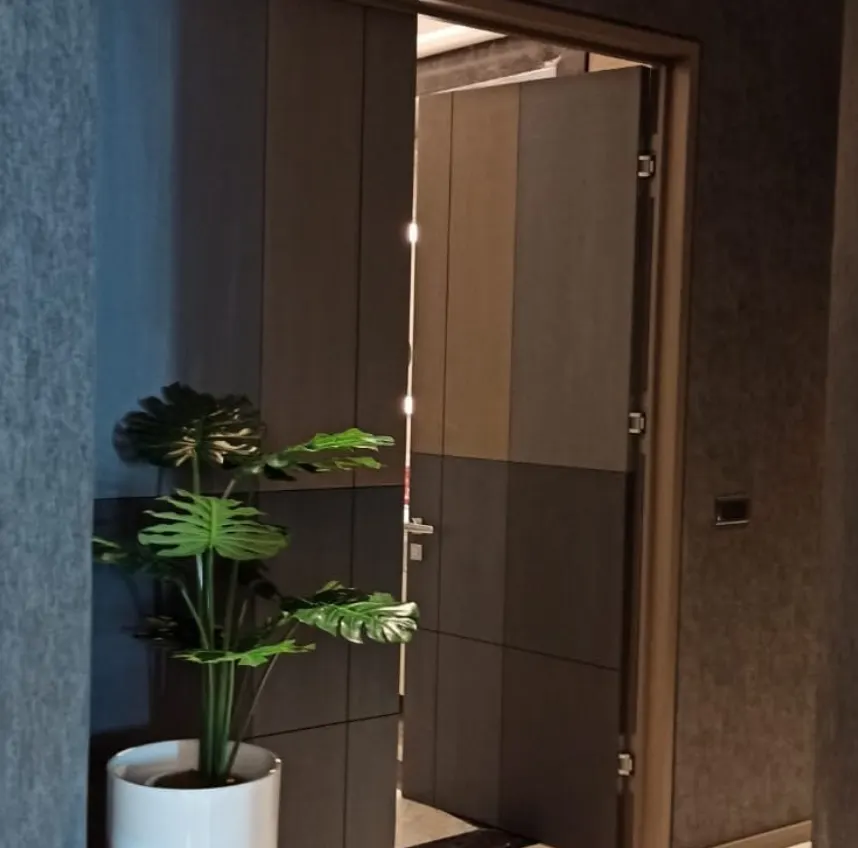
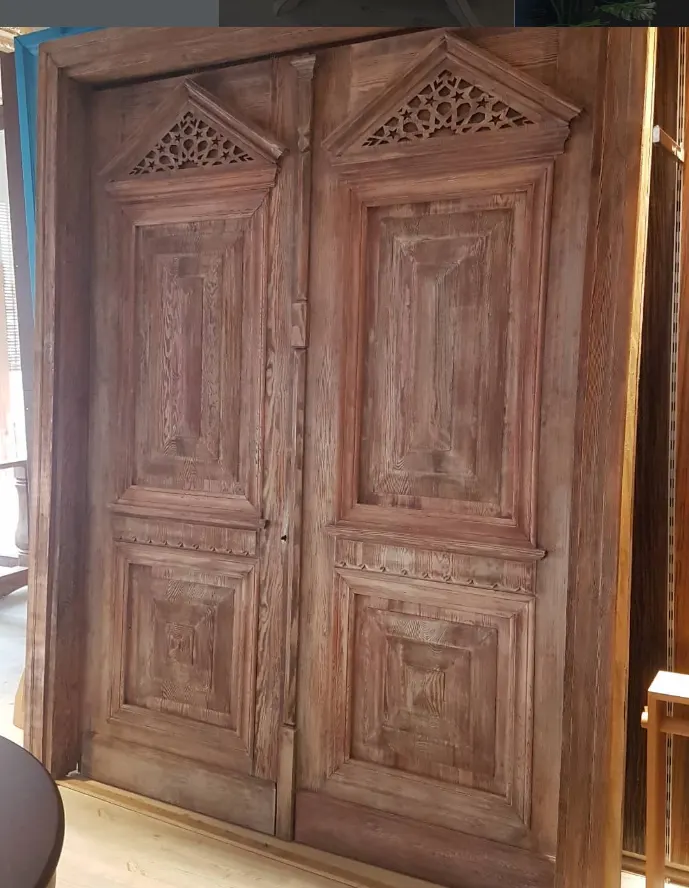
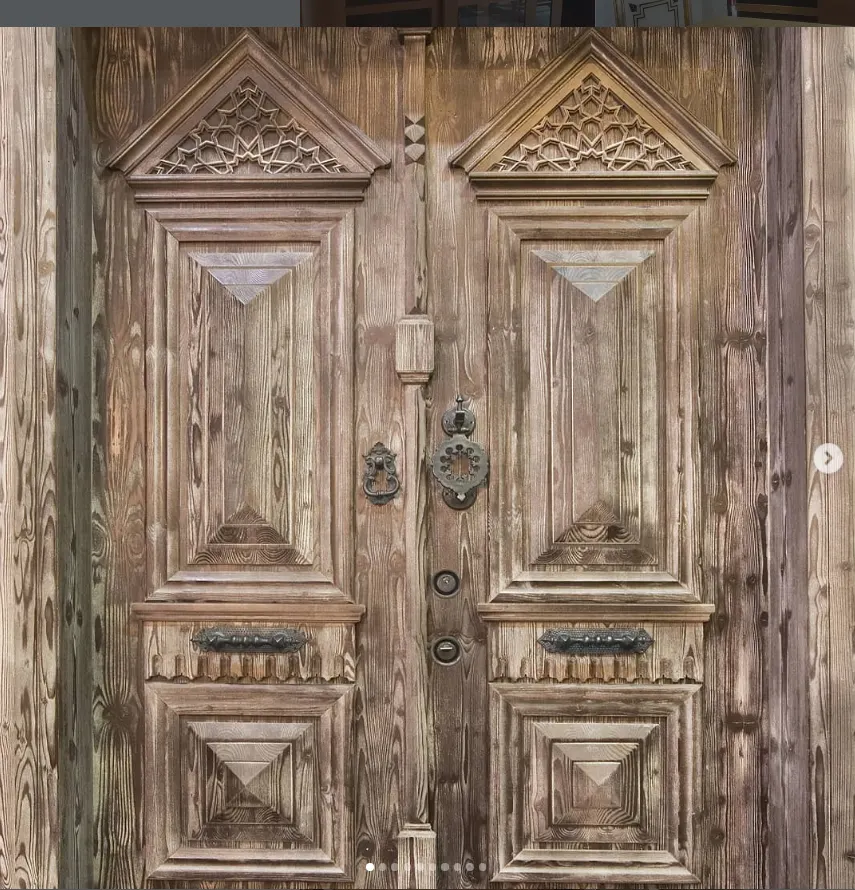
Lacquered Door Models Turkey
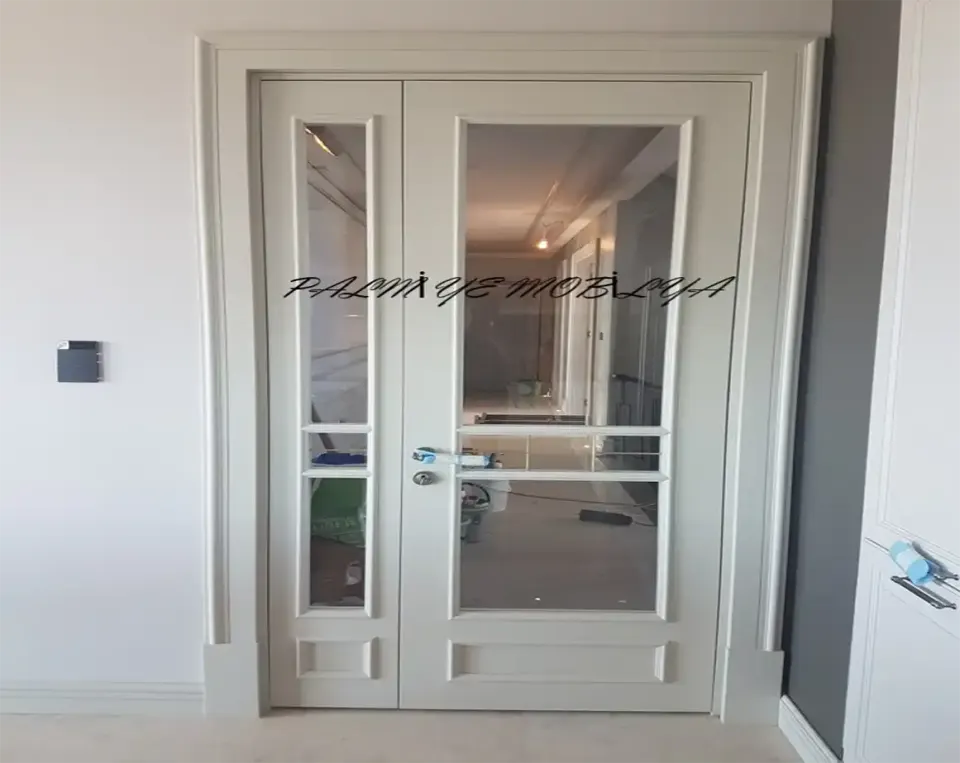
Lacquered Door Models Turkey: The Ultimate Guide to Luxury, Craftsmanship, and Architectural Trends
When it comes to high-end interior design, premium finishes, and architectural sophistication, lacquered door models Turkey have established a commanding presence in the global market. Turkish doors represent a flawless intersection of millennia-old woodworking heritage and advanced European manufacturing technology. Whether you are an architect designing a luxury hotel, a contractor sourcing durable interior materials, or a homeowner seeking a sleek, modern aesthetic, Turkish lacquered doors offer unparalleled customization, structural integrity, and value.
This technical and architectural guide explores everything you need to know about lacquered door models from Turkey. We will examine core construction materials, chemical coating processes, design classifications, installation protocols, and the economic advantages of sourcing from Turkey’s top manufacturing hubs.
1. Defining the Turkish Lacquered Door: Anatomy and Structural Engineering
To understand why lacquered door models Turkey are highly sought after worldwide, one must look beneath the surface. A lacquered door is not merely a piece of painted wood; it is a multi-layered, precision-engineered architectural element.
The Core Matrix (Internal Components)
Turkish manufacturers prioritize structural stability to prevent warping, bending, or expanding due to climate fluctuations. The internal matrix typically consists of:
- Solid Wood Framing (Finger-Jointed Pine/Fir): The perimeter framework of the door leaf is constructed using finger-jointed local or imported softwood, usually kiln-dried pine or fir. Finger-jointing removes natural knots and tension lines from the wood, ensuring that the frame remains perfectly straight over decades of operation.
- Internal Stabilizers (Honeycomb vs. Tubular Chipboard): For standard residential applications, a high-density, resin-impregnated paper honeycomb structure is used to optimize weight-to-strength ratios. For high-end, acoustically rated, or heavy-duty commercial projects, manufacturers utilize tubular chipboard (Sauerland Spanplatte) imported from Germany or produced locally. This provides superior sound insulation (up to 32 dB or more) and fire resistance.
- MDF/HDF Skin Substrates: The core is sandwiched between two sheets of High-Density Fiberboard (HDF) or Medium-Density Fiberboard (MDF). Turkish factories typically use premium HDF with thicknesses ranging from 6mm to 12mm. The thickness of this substrate directly dictates the depth of CNC routing and engraving possible on the door surface.
The Chemical Coating Process (The Lacquering Matrix)
The defining characteristic of lacquered door models Turkey is the pristine, smooth, and flawless liquid-paint finish. The industrial coating process involves a rigorous, climate-controlled cleanroom sequence:
- Calibration and Sanding: The raw HDF skin is calibrated using multi-head wide-belt sanding machines to achieve absolute flatness.
- Isolator/Primer Coating: A specialized polyurethane or polyester isolator coat is applied. This layer seals the fiberboard pores, preventing the substrate from absorbing moisture or the subsequent paint layers.
- Basecoat Application: Multiple layers of polyurethane or UV-curable basecoats (fillers) are applied via automated reciprocating spray robots or curtain coaters.
- Inter-Coat Sanding: After curing, the door is sanded using extra-fine abrasive papers (P320 to P400 grit) to eliminate micro-imperfections.
- Topcoat Finishing: The final aesthetic layer is applied. Depending on project specifications, this can be an acrylic-polyurethane blend, a water-based eco-friendly lacquer, or a high-tech UV-curable topcoat.
2. Advanced Chemical Variations: Polyurethane, Acrylic, and Water-Based Lacquers
The performance, longevity, and yellowing resistance of lacquered door models Turkey are directly linked to the chemical formulation of the coatings used. Turkish industrial facilities offer three primary chemical configurations:
Polyurethane Lacquer (The Industry Standard)
Polyurethane (PU) finishes are the traditional backbone of premium Turkish joinery. They consist of a two-component system (alkyd or acrylic resins cross-linked with polyisocyanate hardeners).
- Pros: Exceptional chemical resistance against household cleaners, excellent mechanical scratch resistance, and an incredibly smooth, rich depth of color.
- Cons: Higher Volatile Organic Compound (VOC) emissions during application; requires specialized oxidation-resistant additives to prevent yellowing when exposed to continuous direct UV sunlight.
Acrylic Lacquer (The Non-Yellowing Champion)
For ultra-white or light-toned lacquered door models Turkey, premium manufacturers utilize acrylic-polyurethane coatings.
- Pros: Absolute UV resistance. Acrylic resins do not degrade or turn yellow over time, making them mandatory for bright white minimalist interiors. They also exhibit higher elasticity, meaning they can flex slightly with the door's micro-movements without cracking.
- Cons: Marginally higher raw material cost compared to standard polyurethane.
Water-Based Lacquers (The Eco-Friendly, LEED-Compliant Alternative)
With global construction shifting toward sustainability and green building certifications (such as LEED and BREEAM), Turkish door factories have heavily invested in European water-borne industrial coating lines.
- Pros: Ultra-low VOC emissions, virtually odorless, non-toxic, and highly safe for indoor air quality (IAQ).
- Cons: Requires highly sophisticated, specialized forced-drying tunnels with controlled humidity to ensure proper curing and cross-linking.
3. Aesthetic Classifications of Lacquered Door Models Turkey
The versatility of CNC machining paired with liquid lacquer finishing allows Turkish designers to create an expansive portfolio of styles. Today, lacquered door models Turkey can be categorized into four primary design archetypes:
1. Minimalist Flat Panel (Flush Doors)
The ultimate choice for contemporary, industrial, or Scandinavian interiors. These doors feature a completely flat surface with no structural profiles or indentations.
- Visual Impact: Creates a continuous, monolithic wall effect, especially when paired with concealed (invisible) aluminum frame systems.
- Finishes: Highly popular in ultra-matt (5-10 gloss units) or high-gloss mirror finishes (above 90 gloss units).
2. CNC Engraved and Grooved Doors
By programming precise, high-speed CNC routers, manufacturers cut geometric lines, v-grooves, or abstract shapes directly into the thick HDF skins.
- Visual Impact: Subtle, elegant, and modern. Linear vertical patterns give the illusion of higher ceilings, while horizontal grooving expands the perceived width of hallways.
- Technical Advantage: Because the engraving happens before the lacquering process, the paint wraps seamlessly into the grooves, leaving no raw edges exposed to moisture.
3. Neo-Classical & Traditional Paneled Doors (Classic Shaker & Raised Profile)
For luxury villas, classic estates, and upscale hospitality projects, lacquered door models Turkey offer deep, rich, multi-tiered panels. These are achieved either through multi-layer HDF lamination or by inserting solid wood decorative moldings into routed recesses.
- Visual Impact: High-end, timeless, and prestigious. Features traditional 2-panel, 3-panel, or 4-panel configurations.
- Craftsmanship Detail: Premium classic models often incorporate hand-applied details, such as gold or silver leaf antiquing (patina) within the profile indentations, highlighting the depth of the woodworking.
4. Integrated Glass (Glazed) Lacquered Doors
Turkish factories seamlessly blend glass elements with lacquered frames. Using specialized rubber gaskets and CNC-machined glass stops, doors can incorporate full-length glass panes, geometric vision panels, or classic French-door grids. Glass choices range from frosted satin and smoked glass to decorative fluted (ribbed) glass.
4. Gloss Levels and the Psychology of Finish Choices
When selecting from lacquered door models Turkey, specifying the exact gloss level is critical to achieving the desired architectural atmosphere. Gloss is measured scientifically in "Gloss Units" (GU) at a 60-degree reflection angle.
| Gloss Classification | Gloss Unit (GU) Range | Ideal Interior Context | Maintenance & Visual Behavior |
|---|---|---|---|
| Ultra-Matt / Super-Matt | 1 – 10 GU | Ultra-modern, Nordic, minimalist, and high-traffic commercial spaces. | Absorbs light completely; hides fingerprints and micro-scratches exceptionally well. |
| Satin / Eggshell | 15 – 35 GU | Transitional, Neo-Classical, residential bedrooms, and corporate offices. | Provides a soft, warm, velvety glow. The most versatile and widely ordered finish in Turkey. |
| Semi-Gloss | 40 – 60 GU | Traditional homes, coastal designs, bathrooms, and utility areas. | Balanced light reflection; easy to wipe clean but highlights minor surface dents if illuminated directly. |
| High-Gloss (Piano Finish) | 85 – 95+ GU | Luxury penthouses, high-end hotel suites, executive boardrooms, and glamorous walk-in closets. | Acts like a mirror, bouncing light around the room. Requires pristine handling and a multi-step polishing process. |
5. Architectural Innovations: Hidden Frames, Pivot Doors, and Floor-to-Ceiling Systems
The modern architectural landscape demands structural innovation, and the manufacturing sector for lacquered door models Turkey has evolved rapidly to deliver high-tech structural solutions.
Hidden (Concealed) Aluminum Frames
Traditional architraves and casing are increasingly replaced by flush-to-wall systems. Turkish factories engineer structural aluminum sub-frames that are embedded directly into the drywall or brickwork during the rough construction phase.
- The Result: When the lacquered door is installed on concealed 3D-adjustable hinges, it sits perfectly flush with the wall.
- Design Utility: The door can be lacquered in the exact same color code (RAL or NCS) as the surrounding wall paint, making the door practically invisible when closed.
Floor-to-Ceiling (Full-Height) Doors
Standard door heights of 2100mm are rapidly giving way to grand installations reaching 2700mm, 3000mm, or even higher. Turkish manufacturers excel in producing ultra-tall lacquered door models Turkey.
- Engineering the Spine: To prevent a 3-meter-tall door from bending over time due to seasonal humidity changes, Turkish engineers integrate internal adjustable steel tension rods (tensioners) inside the door core. These rods can be calibrated via an access point at the bottom or top of the door to keep the leaf perfectly planar.
Oversized Lacquered Pivot Doors
For grand entryways or partition doors between luxury living rooms and dining areas, pivot mechanisms are utilized instead of traditional side hinges. Supported by heavy-duty floor and ceiling pivot hardware, these oversized lacquered slabs rotate effortlessly on a shifting axis, serving as functional kinetic art pieces.
6. Sourcing and Manufacturing Hubs in Turkey
Turkey’s geopolitical position as a logistical bridge between Europe, the Middle East, and Africa, combined with its massive industrial zones, makes it a manufacturing powerhouse. When sourcing lacquered door models Turkey, buyers generally interact with three major industrial clusters:
Istanbul Industrial Zones (İkitelli, Dudullu, Tuzla)
- Specialty: High-end custom architectural projects, boutique luxury designs, and rapid prototyping.
- Advantage: Proximity to top-tier international design offices, ease of inspection, and access to premium imported components and specialized chemical suppliers.
Kayseri Organized Industrial Zone (OIZ)
- Specialty: Mass production, automated high-capacity manufacturing lines, and large-scale residential/hospitality contract orders.
- Advantage: Kayseri hosts some of the largest fully automated woodworking complexes in Europe. It is the go-to region for sourcing thousands of uniform, high-quality lacquered doors for massive housing projects or master-planned communities.
Bursa & Inegöl Furniture Cluster
- Specialty: Trend-setting designs, avant-garde styles, and integrated interior solutions (matching doors, wall paneling, and cabinetry).
- Advantage: Inegöl is a world-renowned furniture hub. Sourcing doors here allows buyers to perfectly match the lacquer colors, wood veneers, and design details of their doors with built-in wardrobes, kitchen cabinets, and wall claddings.
7. Technical Quality Standards, Certifications, and Testing
A significant reason behind the international trust in lacquered door models Turkey is compliance with stringent European Norms (EN) and international testing protocols. When evaluating Turkish suppliers, look for the following technical credentials:
- ISO 9001 (Quality Management Systems): Ensures the factory operates under strict, repeatable manufacturing protocols from raw material intake to final packaging.
- EN 14351-2 (Internal Pedestrian Doorsets): The European standard governing the performance characteristics of interior doors, ensuring safety, mechanical strength, and structural integrity.
- EN 1634-1 (Fire Resistance Testing): For commercial applications, Turkish factories offer certified fire-rated lacquered doors capable of resisting smoke and flames for 30, 60, or 90 minutes (FD30, FD60, FD90). These doors feature intumescent seals that expand under heat to completely block toxic gasses.
- E1 or E0 Formaldehyde Emissions: Ensuring that the MDF/HDF substrates and adhesives used emit negligible or zero formaldehyde, safeguarding indoor air quality according to strict European environmental regulations.
8. Comparative Analysis: Lacquered Doors vs. Alternative Finishes
To understand the long-term value proposition of investing in lacquered door models Turkey, it is vital to contrast them against other common surface finishes available in the market:
| Performance / Aesthetic Metric | Lacquered Doors (Turkey) | PVC / Vinyl Membrane Doors | Melamine / Laminate Doors | Natural Wood Veneer Doors |
|---|---|---|---|---|
| Surface Continuity | Seamless. Liquid paint fully encloses the face, profiles, and edges without seams. | Visually continuous but prone to edge peeling if exposed to heat/moisture. | Visible seams along the edge-banding lines. | Seamless edges, but natural variations in grain visible. |
| Repairability | Excellent. Scratches and dents can be sanded down, filled, and spot-lacquered on-site. | Impossible to repair if punctured or torn; requires complete re-veneering. | Very difficult to repair; color matching compound is rarely seamless. | Good repairability using professional wood stains, fillers, and clear varnishes. |
| Color Customization | Infinite. Can be mixed to match any RAL, NCS, or Pantone color code. | Limited to the specific foil patterns stock-produced by film manufacturers. | Limited to the cataloged papers of laminate printers. | Limited to the natural species of wood and available stains. |
| Moisture Resistance | High. The multi-layer cured lacquer acts as a complete, non-porous moisture barrier. | Good on the face, but steam can compromise the glue at the edges over time. | Moderate. Edge-banded lines are vulnerable to water ingress and swelling. | Vulnerable to humidity changes; requires highly stable clear topcoats to seal. |
| Long-Term ROI | High Luxury Value. Adds measurable premium equity to commercial and residential real estate. | Low-to-Medium. Tends to look dated and loses structural value over time. | Medium. Highly durable for utility spaces but lacks high-end appeal. | High. Prestigious and timeless, but requires consistent maintenance. |
9. Comprehensive Installation Protocol and Site Preparation
Even the most precisely manufactured lacquered door models Turkey can fail to perform if installed incorrectly. Because a lacquered surface is a finished luxury product, the installation phase requires strict adherence to professional carpentry standards.
Phase 1: Pre-Installation Site Conditions
- Moisture Stabilization: The building's wet trades (plastering, screeding, tiling) must be 100% complete and fully cured. Indoor relative humidity must sit stably between 40% and 60%, and the ambient temperature should be maintained between 15°C and 25°C. High moisture levels in walls will migrate into the wooden door frames, causing them to swell and crack the lacquer finish.
- Wall Opening Calibration: The rough openings must be checked for plumb, level, and squareness. The wall thickness must be measured at multiple points (top, middle, bottom) to select or adjust the adjustable telescopic architraves.
Phase 2: Assembly and Fixing
- Frame Mitigation: Turkish doors utilize telescopic frame systems that adjust to varying wall thicknesses. Frame joints must be assembled on a flat, padded surface (such as clean cardboard or foam sheets) to protect the lacquered edges from scratching.
- Polyurethane Foam Application: The frame is positioned in the opening using temporary wooden wedges. Low-expansion polyurethane foam is injected into the gap between the frame and the wall. Standard high-expansion foam must never be used, as its immense pressure can bow the frame inward, ruining the door alignment.
- Mechanical Fastening: For heavy or oversized doors, foam alone is insufficient. Hidden mechanical anchors should be placed behind the hinge plates and rubber strike strips to securely anchor the frame into the structural wall without exposing screw heads on the pristine lacquered surface.
10. Long-Term Maintenance and Care Matrix
To preserve the radiant finish of lacquered door models Turkey across decades of daily use, end-users should follow a structured maintenance regimen.
The "Do's" of Lacquered Door Maintenance
- Dust Regularly: Use an ultra-soft, dry microfiber cloth to remove airborne dust particles that can act as micro-abrasives over time.
- Damp Cleaning: For fingerprints, smudges, or light soils, use a slightly damp microfiber cloth wrung out with clean, lukewarm water mixed with a few drops of pH-neutral, non-abrasive liquid dish soap. Always wipe dry immediately with a separate soft cloth.
- Hinge and Hardware Lubrication: Once a year, apply a drop of silicone-based lubricant to the internal mechanisms of the concealed hinges and magnetic lock cases to ensure silent, fluid motion.
The "Don't's" of Lacquered Door Maintenance
- Avoid Aggressive Chemicals: Never use cleaning products containing ammonia, bleach, acetone, alcohol, or highly acidic/alkaline compounds. These solvents will chemically dissolve or dull the polyurethane/acrylic topcoat, causing permanent cloudiness or stripping.
- Say No to Scouring Pads: Steel wool, abrasive sponges, and rough paper towels will create micro-scratches, permanently ruining the gloss or satin uniformity of the lacquer.
- Prevent Direct Thermal Exposure: If a lacquered door is placed immediately adjacent to an uninsulated heating radiator or a high-powered steam humidifier, it can experience localized thermal shock, potentially leading to micro-cracking along structural joints.
11. Commercial and Economic Rationale: Sourcing Lacquered Doors from Turkey
For international B2B buyers, importing lacquered door models Turkey is not just an aesthetic preference; it is a highly calculated, strategic financial decision.
Unmatched Price-to-Quality Ratio
Operating with lower operational and labor overheads relative to Western Europe, combined with highly advanced automated machinery, Turkish factories produce doors that match or exceed Italian and German quality standards at a fraction of the cost. This allows developers to elevate the perceived luxury of their real estate projects while keeping material budgets highly optimized.
Logistical Velocity and Proximity
Turkey’s geographical position provides an incredible advantage over Asian manufacturing alternatives:
- To Europe: Overland trucking routes can deliver container loads from Istanbul, Kayseri, or Bursa to central European hubs (such as Germany, France, or the UK) within 5 to 9 days.
- To the MENA Region and Americas: Deep-water container ports in Ambarlı (Istanbul), Mersin, and İzmir provide highly frequent, competitive maritime shipping lines, ensuring predictable supply chain timelines.
Massive Scalability and Customization Compatibility
Unlike many regions that specialize either in small-scale boutique carpentry or hyper-rigid mass production, the Turkish manufacturing ecosystem smoothly accommodates both. A single factory can effortlessly handle a custom run of 50 highly intricate, gold-patina paneled doors for a royal villa compound alongside a concurrent run of 2,000 sleek, minimalist, ultra-matt flush doors for a multi-tower commercial residential development.
12. Conclusion: The Future of Interior Openings
As interior design trends continue to move toward integrated spaces, clean lines, and tactile luxury, lacquered door models Turkey remain at the absolute vanguard of the global joinery market. By combining premium internal engineering—such as finger-jointed pine structures and German tubular cores—with state-of-the-art automated liquid coating technologies, Turkish manufacturers deliver interior doors that are structurally immutable, acoustically sound, and visually mesmerizing.
Investing in Turkish lacquered doors means embracing an architectural element that bridges the gap between raw natural utility and refined chemical craftsmanship. Whether finished in a dramatic ultra-matt black or an ethereal, non-yellowing acrylic white, these doors transform simple room transitions into profound statements of luxury, durability, and timeless design.