Classic vs. Modern Hotel Room Furniture Turkey: Neoclassical Artisan Joinery vs. Contemporary Contract Design Guide
Selecting the architectural aesthetic of guestroom interiors is one of the most consequential brand and capital allocation decisions in hospitality development. Whether restoring a 19th-century European palace hotel, launching an opulent Middle Eastern luxury resort, or building a sleek contemporary urban lifestyle property, hotel developers and interior architects turn to Turkey because few manufacturing nations excel equally at both ornate classical woodworking and ultra-minimalist modern casegoods. Across specialized production hubs in Istanbul, İnegöl (Bursa), and Ankara (Siteler), Classic vs. Modern Hotel Room Furniture Turkey offers a unique comparative landscape—uniting centuries-old Anatolian hand-carving, gold-leaf gilding, and cabriole frame joinery with German 5-axis CNC precision, dead-matte veneers, and integrated smart-room hardware.

1. The Dual Heritage of Classic vs. Modern Hotel Room Furniture Turkey
Understanding the regional division of craftsmanship across Turkey allows FF&E procurement directors to match their specific interior design language with the right industrial cluster when evaluating Classic vs. Modern Hotel Room Furniture Turkey.
Classic, Neoclassical & Heritage Hospitality Clusters (Ankara Siteler & İnegöl)
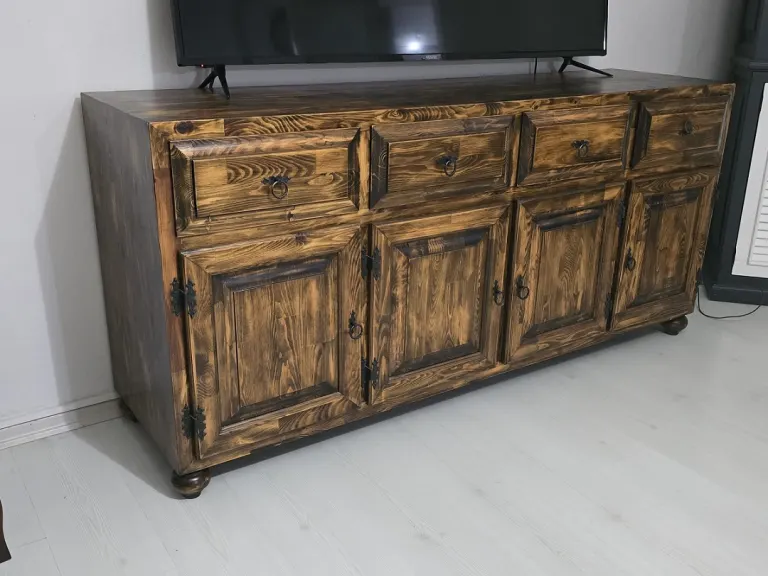
Turkey’s deep historical lineage in Ottoman imperial palace joinery and European neoclassical salon furniture lives on in Ankara’s Siteler district and master artisan workshops in İnegöl (Bursa). These facilities specialize in solid kiln-dried European beech, walnut, and mahogany frames, hand-chiselled acanthus and floral relief carvings, traditional French polishing, real 24-karat gold/silver leaf gilding, and deep diamond button-tufted Chesterfield upholstery—serving heritage palace hotels, diplomatic guesthouses, and royal luxury resorts across the GCC, Central Asia, and Europe.
Contemporary, Minimalist & Lifestyle Hospitality Clusters (Istanbul & Bursa OSB)
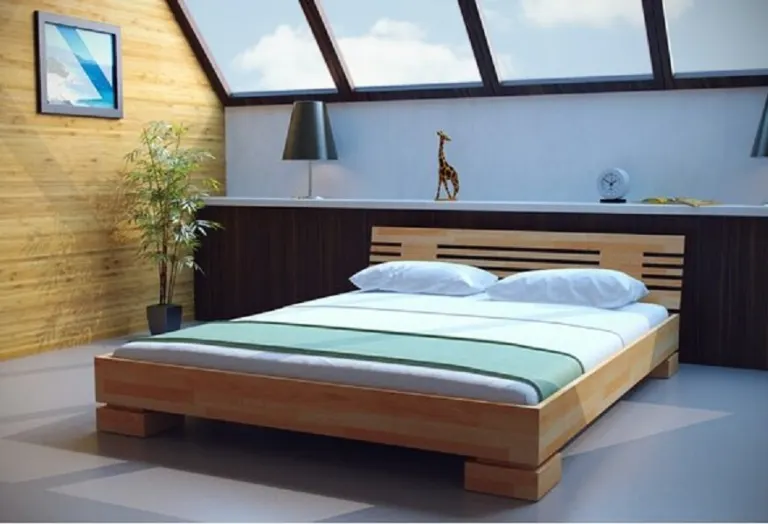
Conversely, large-scale industrial complexes in Istanbul (Tuzla, Hadımköy, Silivri) and Bursa’s Organized Industrial Zones are purpose-built for contemporary hospitality architecture. Equipped with Homag and Biesse 5-axis CNC nesting centers, zero-joint PUR laser edge-banders, and UV-cured dead-matte lacquering lines, these factories produce flush architectural wall cladding, cantilevered floating beds, fluted smoked-oak wardrobes, and PVD brushed-brass metalwork tailored for modern international flags (such as Edition, W Hotels, Rosewood, and Marriott Autograph Collection).
2. Technical & Aesthetic Comparison: Classic vs. Modern Hotel Room Furniture Turkey
When comparing Classic vs. Modern Hotel Room Furniture Turkey during concept design and Value Engineering (VE), procurement teams must evaluate structural joinery, surface chemistry, housekeeping labor impact, and CAPEX weighting.
Evaluation Dimension Classic / Neoclassical Hotel Room Furniture Turkey Modern / Contemporary Hotel Room Furniture Turkey Procurement & Operational Impact
Primary Structural Materials Solid kiln-dried European beech, walnut, or mahogany (8%–10% MC); solid timber moldings and turned legs E1 / CARB P2 High-Density MDF, Birch/Okoumé Marine Plywood, extruded AISI 304/316 PVD steel, and honeycomb stone Classic requires high solid-lumber yield (+35% timber waste); Modern optimizes CNC sheet nesting efficiency
Joinery & Frame Architecture Hand-fitted mortise-and-tenon, double-doweled, and carved cabriole joints with corner glue blocks Concealed steel brackets, cam-lock KD fasteners, aluminum Z-clips, and laser-banded 2.0mm PUR edges Classic ships mostly assembled (higher container CBM); Modern leverages knock-down (KD) flat-packing for 30% freight savings
Surface Finishes & Detailing Hand-rubbed antique patinas, 24k gold/silver leaf gilding, marquetry inlays, and satin/gloss 2K polyurethane Dead-matte (5–8 GU) waterborne 2K acrylic/UV lacquers, wire-brushed open-pore oak, and compact HPL Classic masks minor scratches within ornate grain/patina; Modern matte surfaces resist fingerprints and chemical disinfectants
Upholstery & Soft-Goods Craft Deep Capitonné diamond button-tufting, hand-nailed brass tacking, silk-damask jacquards, and velvet fringe Clean double-stitched tailored seams, channeled vertical bolsters, heavyweight Bursa bouclés, and PFAS-free linens Both achieve BS 5852 Crib 5 / NFPA 260 fire codes using 38–45 kg/m³ CMHR foams
Smart-Room MEP Integration Concealed behind hinged decorative brass escutcheons and carved nightstand aprons Flush CNC-routed USB-C PD 65W hubs, Qi2 thru-surface chargers, and DALI-2 circadian LED coves Modern integrates electronics natively; Classic requires careful artisan routing to avoid visual anachronisms
Typical Production Lead Time 9 to 14 Weeks (driven by hand-carving, multi-stage patina curing, and manual gilding) 5 to 8 Weeks (driven by automated CNC milling and UV-curing finishing lines) Modern compresses fast-track PIP renovation schedules by 35%–45%
3. Deep-Dive: Engineering Classic & Neoclassical Guestroom Interiors
Designing classical hotel rooms for commercial occupancy requires adapting 18th- and 19th-century decorative forms to withstand 21st-century housekeeping and luggage abuse. Classic vs. Modern Hotel Room Furniture Turkey specialists reinforce heritage designs through four technical upgrades:
1. Internal Steel Reinforcement for Cabriole & Tapered Legs: Slender curved Louis XV/XVI chair and console legs are vulnerable to torsional snapping when guests lean back. Turkish frame engineers conceal internal steel core rods inside kiln-dried hornbeam legs to pass EN 16139 Level 2 severe contract load tests without altering the delicate external silhouette.
2. Catalyzed 2K Polyurethane Over Traditional Gilding: Traditional water-gilded gold leaf tarnishes and rubs off under housekeeping damp-wiping. Ankara and Istanbul finishers seal hand-applied leafing and antique glazing beneath three coats of non-yellowing 2K catalyzed polyurethane, achieving EN 12720 alcohol and chemical resistance.
3. Removable Tufted Seat Cushions: While classic armchairs feature fixed diamond-tufted backs, seat decks are engineered with zippered, replaceable high-density CMHR cushions so hotels can dry-clean or re-cover stained seats without dismantling perimeter brass nailhead trim.
4. Honed Turkish Marble Tops with Bullnose Profiles: Classic bedside chests and vanity consoles incorporate Marmara White, Afyon Sugar, or Emperador marble milled with traditional ogee or bullnose edges and backed with fiberglass mesh to prevent edge chipping.
4. Deep-Dive: Engineering Modern & Transitional Guestroom Interiors
Contemporary hospitality interiors rely on razor-sharp shadow gaps, monolithic material planes, and tactile minimalism—where any millimeter of misalignment is immediately visible. Classic vs. Modern Hotel Room Furniture Turkey modern plants achieve gallery-grade precision through:
1. Single-Flitch Book-Matched Veneer Sequencing: Slicing crown-cut European white oak or American black walnut from a single numbered log flitch so wood grain flows continuously across flush headboard walls, wardrobe doors, and credenza drawers.
2. Fluted & Reeded Acoustic Timber Profiles: CNC-milled vertical timber slats bonded over 9mm–12mm recycled PET acoustic felt warm up minimalist rooms while absorbing speech reflections (NRC 0.70–0.85).
3. PVD Brushed Brass & Gunmetal Framing: Replacing painted steel with AISI 304/316 stainless steel finished in vacuum PVD chambers, delivering crisp architectural lines that resist suitcase scuffs and coastal humidity.
4. Radius-Corner Impact Engineering: Incorporating subtle 10mm–15mm eased bullnose edges onto minimalist tabletops and bed plinths to eliminate sharp corner chipping and guest impact injuries.
5. Housekeeping Maintenance & Lifecycle Economics: Classic vs. Modern
Asset managers evaluating Classic vs. Modern Hotel Room Furniture Turkey must factor ongoing housekeeping labor and 7-year Property Improvement Plan (PIP) refurbishment costs into their underwriting:
• Daily Housekeeping Dusting Time: Ornate carved moldings, fluted columns, and deep diamond button-tufting in classic rooms add 4 to 7 minutes of detailed dusting and vacuuming per room per day compared to flush minimalist modern surfaces—a measurable OPEX factor across a 300-key property.
• Mid-Cycle Refurbishment Flexibility: Modern modular casegoods allow owners to swap cabinet doors, re-skin zippered headboard panels, or update PVD metal accents during a Year-7 PIP at 30% of full replacement cost. Conversely, classic solid-wood frames boast 20-to-25-year structural lifespans and can be stripped, re-gilded, and reupholstered in place to preserve historic landmark authenticity.
• The "Transitional Hybrid" Sweet Spot: Many leading international hotel designers now specify Transitional Guestroom Furniture from Turkey—pairing clean, easy-to-clean modern casegoods carcasses with subtle classic framed mouldings, warm natural oak veneers, and tailored upholstered headboards to capture timeless elegance with low housekeeping OPEX.
6. Procurement Checklist for Classic, Transitional & Modern Turkish FF&E
Whether selecting ornate heritage craftsmanship or sleek contemporary minimalism under Classic vs. Modern Hotel Room Furniture Turkey, FF&E procurement directors should enforce five verification checkpoints:
1. Match Factory Specialization to Design Language: Audit Ankara Siteler or İnegöl artisan workshops for heavily carved classical projects, and Istanbul/Bursa CNC industrial plants for flush modern architectural millwork.
2. Require Physical Finish & Carving Control Samples: For classic orders, sign off on a physical hand-carved relief sample and patina/gilding board; for modern orders, sign off on a dead-matte veneer flitch sample and PVD metal coupon under 2700K–3000K lighting.
3. Verify 8%–10% Timber Kiln-Drying Moisture Content: Essential for both thick solid-carved classic frames and wide modern architectural panels to prevent seasonal HVAC cracking or warping.
4. Audit Fire-Safety & Structural Test Certificates: Confirm BS 5852 Crib 5 / EN 1021 / NFPA 260 upholstery compliance and EN 16139 Level 2 structural load ratings across all seating styles.
5. Optimize Container Packing Geometry: Utilize custom foam-molded ISPM-15 crates for assembled carved classic pieces and high-density knock-down (KD) palletization for modern casegoods to minimize landed freight cost per key.
This completes your eleventh distinct, technically deep cornerstone article on Hotel Room Furniture Turkey (and your 21st unique article overall). Would you like to generate the complete SEO metadata, JSON-LD schema markup, and internal linking architecture across your entire content library, or explore another specialized topic?